For most of the history of computing, our digital experiences have been dominated by sight and sound. Over time, screens have grown sharper, audio more spatial, interfaces more intuitive, and now, at long last, touch is emerging as the next frontier.
Haptics – the technology of conveying tactile sensation – has begun its journey from simple vibrations in mobile phones to an expansive, expressive modality that can transform communication, entertainment, learning, and human connection. What once were rudimentary cues are evolving into rich tactile languages, capable of delivering emotion, precision, immersion, and presence.
As a researcher, I have spent much of my career exploring how technology can better resonate with our human senses. Haptics is different from anything we have introduced before. It unlocks a new dimension of experience – one that doesn't merely complement visual or auditory content, but deepens our understanding of the world, and of one another.
I’m proud to be part of the pioneering Haptic Excellence Center, established by InterDigital and Razer, which will help foster the skills, interest, and understanding of this tantalizing technology.
Why Touch Matters
Touch is the earliest sense we develop and one of the most emotionally powerful. It guides how we learn, how we move, how we empathize, and how we find safety in the world. It is also unique among our senses because it supports simultaneous input and output: we can touch and feel touched in the same moment – something impossible with sight, sound, or smell.
This duality makes haptics both extraordinarily rich and extraordinarily challenging to replicate. Unlike visual or auditory channels, which might require one or a handful of data streams, the sense of touch can involve dozens of simultaneous channels, carrying information about vibration, force, texture, temperature, weight, and movement.
To consistently and faithfully reproduce that complexity in a technological system is one of the great engineering quests of our era.
Where Haptics Thrives Today
Some use cases are obvious and already growing quickly:
- Gaming, where haptic vests, gloves, seating, and next-gen controllers deliver physical responses synchronized to gameplay, transforming the action into something visceral.
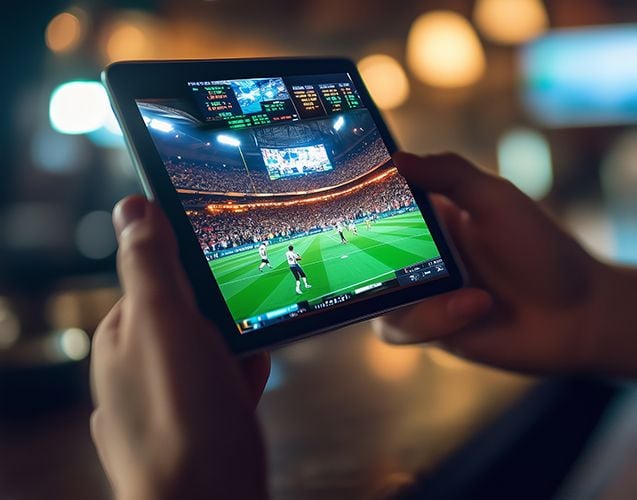
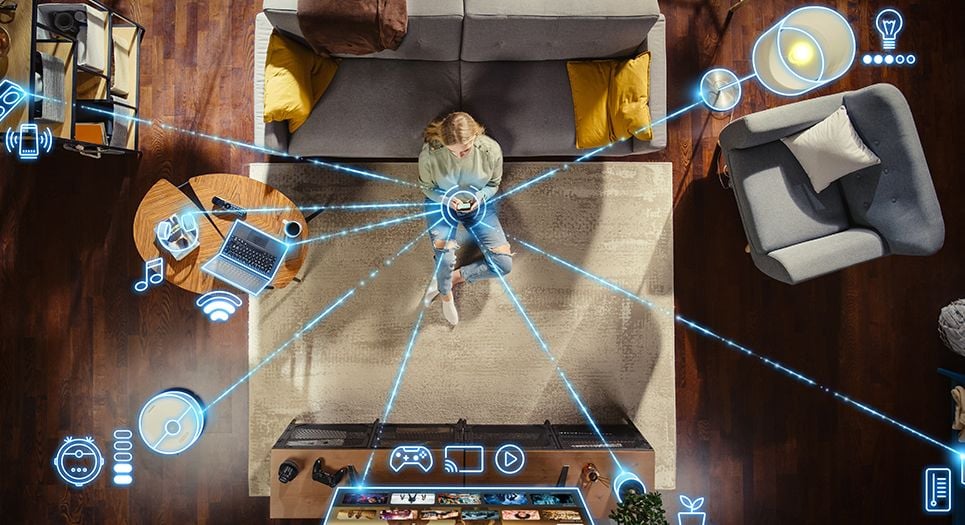
- Entertainment, where home furniture, soundbars, and even mobile devices can output tactile tracks aligned with movies, music, or sports moments.
- Industrial and robotic control, where precise force feedback can enhance safety and accuracy for remote operators.
- Sports and training, where coaches can relay tactile cues to athletes to correct posture, motion, or timing in real time.
- Accessibility, where haptics opens new sensory pathways for people who are deaf, blind, or neurodiverse, allowing them to feel information previously conveyed primarily through audio and video.
- Automotive, where haptic can integrate with car interfaces and touchscreens to provide tactile feedback. As these systems become more intelligent, they can support more intuitive platforms where vibrotactile actuators in driver and passenger seats can enhance alerts, or even prompt calming feedback when stressful situations are sensed.
These successes only hint at what becomes possible once the ecosystem matures.
How Will Haptics Be Created and Delivered?
Haptics can be captured – using accelerometers, temperature sensors, pressure sensors – or synthesized, much like computer-generated audio or graphics. In both cases, translating tactile information into technology requires solving new questions about format, bandwidth, mixing techniques, and human sensory perception.
Unlike video (often a single-channel stream) or audio (typically 2–8 channels), haptic experiences may require 20, 30, or even more channels to convey realistic tactile information. Each channel may represent a different attribute—pressure here, vibration there, heat or resistance somewhere else.
To synchronize this with visual and auditory media, and deliver it consistently across devices, requires deep interdisciplinary collaboration.
The Need for New Expertise: The Rise of the Haptographer
This exciting and emerging modality is not only a technological discipline, but also a creative one.
The media industry has fostered a strong workforce of video editors, sound designers, animators, and other experts who create and manage different modalities of content. Soon, as the potential and demand for haptics grows, content studios will need to employ haptographers or creators who expertly craft tactile experiences and have the expertise to blend physics, neuroscience, and art into haptic storytelling.
There has long been a void of formal training programs or university degrees to facilitate this creative exploration, and that’s why InterDigital and Razer have launched the Haptic Excellence Center to encourage innovation, education, and implementation of haptic technology.
The Center will address structural barriers and technical gaps preventing the deployment of haptic technology and content at scale. Its work will focus on developing a dedicated haptic streaming platform for the reliable creation, encoding, synchronization, and delivery of haptic content, while driving innovation, experimentation, and partnerships that further education, research, and skills development.
Our Center aims to address one of the biggest hurdles for the field: cultivating specialists who understand not only how actuators work, but how the body perceives touch – why the palm perceives vibration differently than the forearm, why temperature cues must be managed delicately, how force and motion interact in the somatosensory system.
This is an ecosystem-wide effort: academia, industry, creative communities, and standards organizations must work together to define this new profession. As we look out onto a landscape of potential, InterDigital is proud to stand alongside Razer as we establish this new center and space to foster haptic excellence.